
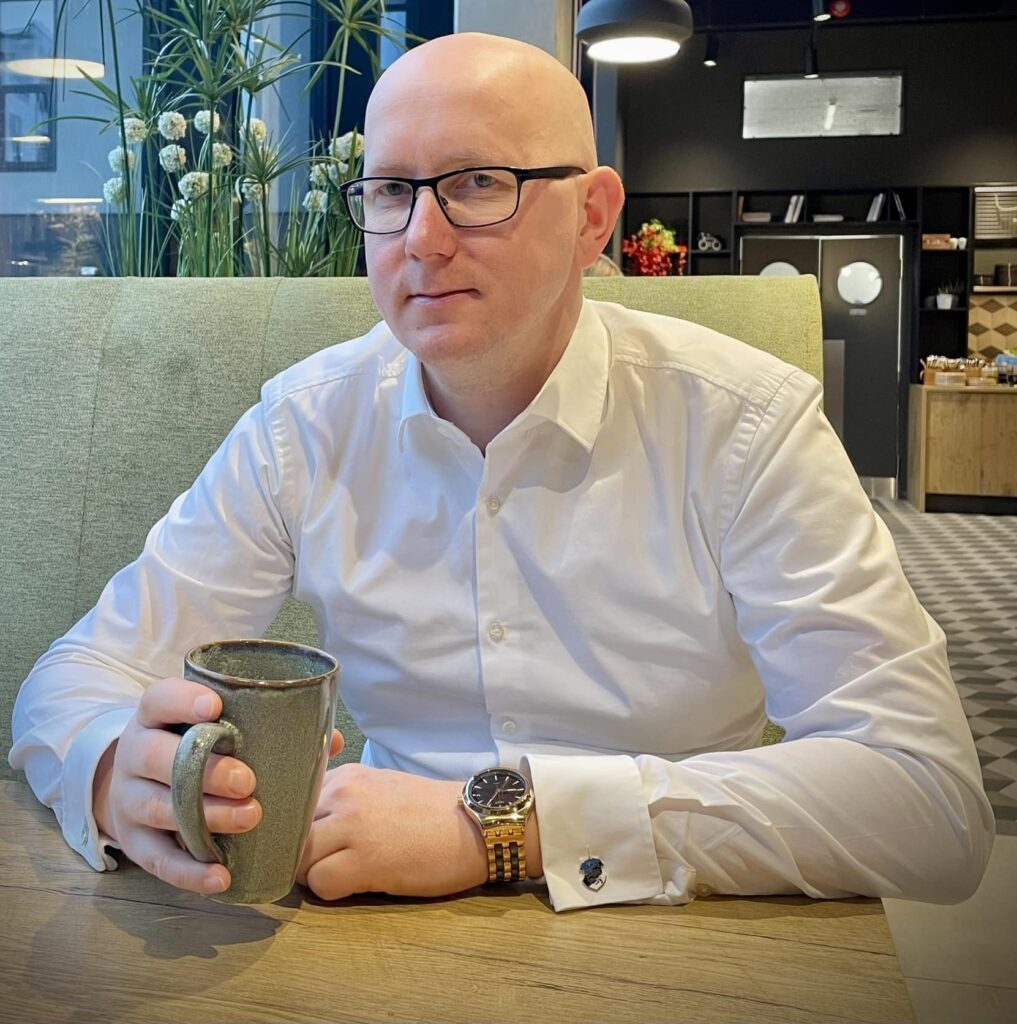
Selle loo kirjutan ma mitte selleks, et kuidagi ülistada nõukogude režiimi, vaid arutleda selle üle, mis on läinud valesti, et oleme ühiskonnana viletsamas seisus kui toona. Mina, Mario Maripuu, sündisin 1985. aastal, kuid ähmaselt mäletan siiski seda aega, mis oli nõukogude aeg.
Elu Haapsalu linnas toimis aastaringselt. Sööklad toimisid ning olid rahvast täis ja tänavapildis elu käis. Külades olid poed ja rahvamajad, mis toimisid. Rahvas oli kuidagi õnnelik. Ei viitsitud väga süveneda NSV Liidu poliitikasse ning oldi pigem rakkes oma olmega.
Ei olnud töötuid ega ka kodutuid, sest nõukogude võim nägi ette, et kõik peavad tööd tegema ja omama kodu. Oldi küll korteri- ja autojärjekordades, aga asjad toimisid ning tegelikult oli rahvas õnnelikum võrreldes tänasega. Sellele väitele võib 10% rahvast, kes uue kapitalistliku ja neomarksistliku režiimiga on rikastunud, vastu vaielda, kuid suures pildis on keskmine inimene ja elus mitte hakkama saav inimene ikka väga vaene – kuni kodutuni välja, kus ainsaks voodikohaks jääb pargipink või kodutute varjupaik.
Režiimi vahetusega said jõukad veel jõukamaks ja vaesed veel vaesemaks.
Muidugi, kui vaadata ja võrrelda näiteks linnade üldpilti ja väljanägemist, siis nõukogude ajaga võrreldes on kõik kaunis ja ilus. Minu kodulinn on Haapsalu ning võrreldes kasvõi 90ndatega, kus peegeldus veel nõukogude aeg linnapildis, on see tänaseks peaaegu kadunud. Linnajuhid on teinud väga head tööd eesotsas Urmas Suklesega. Haapsalu on väga kaunis linn!
Kuid kui tulla talvisesse aega, siis see kaunis linn koos ilusate tänavatega on kohati inimtühi. Ettevõtted kiratsevad ning püüavad neid üksikuid, kes tänaval kõnnivad. Nõukogude ajal sellist asja polnud. Majad olid küll räämas, aga elu käis.
Täna on linnapilt nagu postkaart – ilus, kuid inimtühi. Tekib küsimus: kellele see kaunis linn siis loodi? Tegime linna korda, et midagi ei toimuks?
Siin ma ei saa süüdistada linnajuhte ega isegi mitte valitsust, sest tegelikult on viga kapitalistlikus ühiskonnas, mis ei toimi tavainimese jaoks.
Nõukogude ajal oli kõigil võimalus käia sööklas söömas, täna on see pigem rikaste privileeg. Nõukogude ajal oldi autojärjekorras, täna on auto omamine pigem rikaste privileeg – eriti automaksu valguses. Oma kodu omamine on samuti pigem rikaste privileeg, sest vaesed peavad hakkama saama üürituruga ning ka siis ripub kirves peakohal – millal leping üles öeldakse ja tuleb uus koht otsida. Ja uus ei pruugi enam nii soodne olla, sest kinnisvara- ja üüriturg on kallinenud.
Siinkohal peaksime ühiskonnana leidma lahenduse ja muutma tänaseks korda tehtud linnad taas elavaks. Me kirume kommunismi, kuid miks me ei võta sellest süsteemist toimivaid elemente ka kapitalistlikku ühiskonda? Et meil poleks kodutuid ega töötuid. Et igaüks saaks endale lubada sööklas käimist. Et asjad ja teenused ei jääks vaid jõukama kodanikkonna privileegiks, vaid neid saaks nautida kõik.
See tagaks selle, et kohvikud ei oleks tühjad ega ootaks seda ühte inimest, kes seda endale lubada saab.
Taastame taas külaelu, külapoed ja väikepõllumajanduse.
Mul on täiesti arusaamatu, miks inimesed ei koondu ega hakka mõtlema lahendusi, kuidas elu Eestis paremaks muuta. Selle asemel käiakse silm hall peas tööl kaheksast viieni ning õhtul, laibana koju kukkudes, pannakse käima AK uudised
***
I am writing this piece not to glorify the Soviet regime in any way, but to reflect on what has gone wrong, that as a society we are in a worse მდგომარეობ than we were back then. I, Mario Maripuu, was born in 1985, but I still vaguely remember that time — the Soviet era.
Life in the city of Haapsalu functioned year-round. Canteens were operating, full of people, and there was life in the streets. Villages had shops and community centers that functioned. People seemed somehow happier. There was little interest in deeply engaging with the politics of the Soviet Union; people were more focused on their everyday lives.
There were no unemployed and no homeless, because the Soviet system required everyone to work and to have a place to live. Yes, people stood in queues for apartments and cars, but things functioned, and in reality, people were happier compared to today. This claim may be disputed by the 10% of the population who have enriched themselves under the new capitalist and neo-Marxist regime, but in the bigger picture, the average person — and especially those struggling in life — are still very poor, sometimes even ending up homeless, with a park bench or a shelter as their only place to sleep.
With the change of regime, the rich became richer and the poor became poorer.
Of course, if we look at and compare the general appearance of cities, everything is now beautiful compared to the Soviet era. My hometown is Haapsalu, and compared even to the 1990s — when the Soviet legacy was still visible in the cityscape — it has now almost completely disappeared. City leaders have done a very good job, led by Urmas Sukles. Haapsalu is a very beautiful town!
However, in the wintertime, this beautiful town with its well-kept streets is at times empty. Businesses struggle and try to attract the few people walking around. This was not the case during the Soviet era. Buildings may have been worn down, but life was happening.
Today, the city looks like a postcard — beautiful, but empty. It raises the question: for whom was this beautiful town created? Did we renovate the city so that nothing would happen in it?
Here, I cannot blame city leaders or even the government, because the real problem lies in a capitalist society that does not work for the ordinary person.
During the Soviet era, everyone had the opportunity to eat in a canteen; today, it is more of a privilege for the wealthy. Back then, people stood in line for cars; today, owning a car is again becoming a privilege of the wealthy — especially in light of car taxes. Owning a home is also increasingly a privilege of the rich, as poorer people must rely on the rental market, constantly under the threat of losing their lease and having to find a new place. And the new one may no longer be affordable, as real estate and rent prices have risen.
At this point, we as a society should find solutions and bring life back into the cities we have renovated. We criticize communism, but why do we not take the functioning elements of that system and incorporate them into a capitalist society? So that there would be no homeless and no unemployed. So that everyone could afford to eat in a canteen. So that goods and services would not remain privileges of the wealthy, but could be enjoyed by all.
That would ensure that cafés are not empty, waiting for that one person who can afford them.
Let us restore village life, local shops, and small-scale agriculture.
I find it completely incomprehensible why people do not come together and start thinking about solutions to improve life in Estonia. Instead, people work themselves to exhaustion from eight to five and, collapsing at home in the evening, turn on the national news.
—
Mario Maripuu
Founding member of the restored Rõdali parish, westerner
VIDEO: Private collection by Ardi Teder
